
March 20, 2026
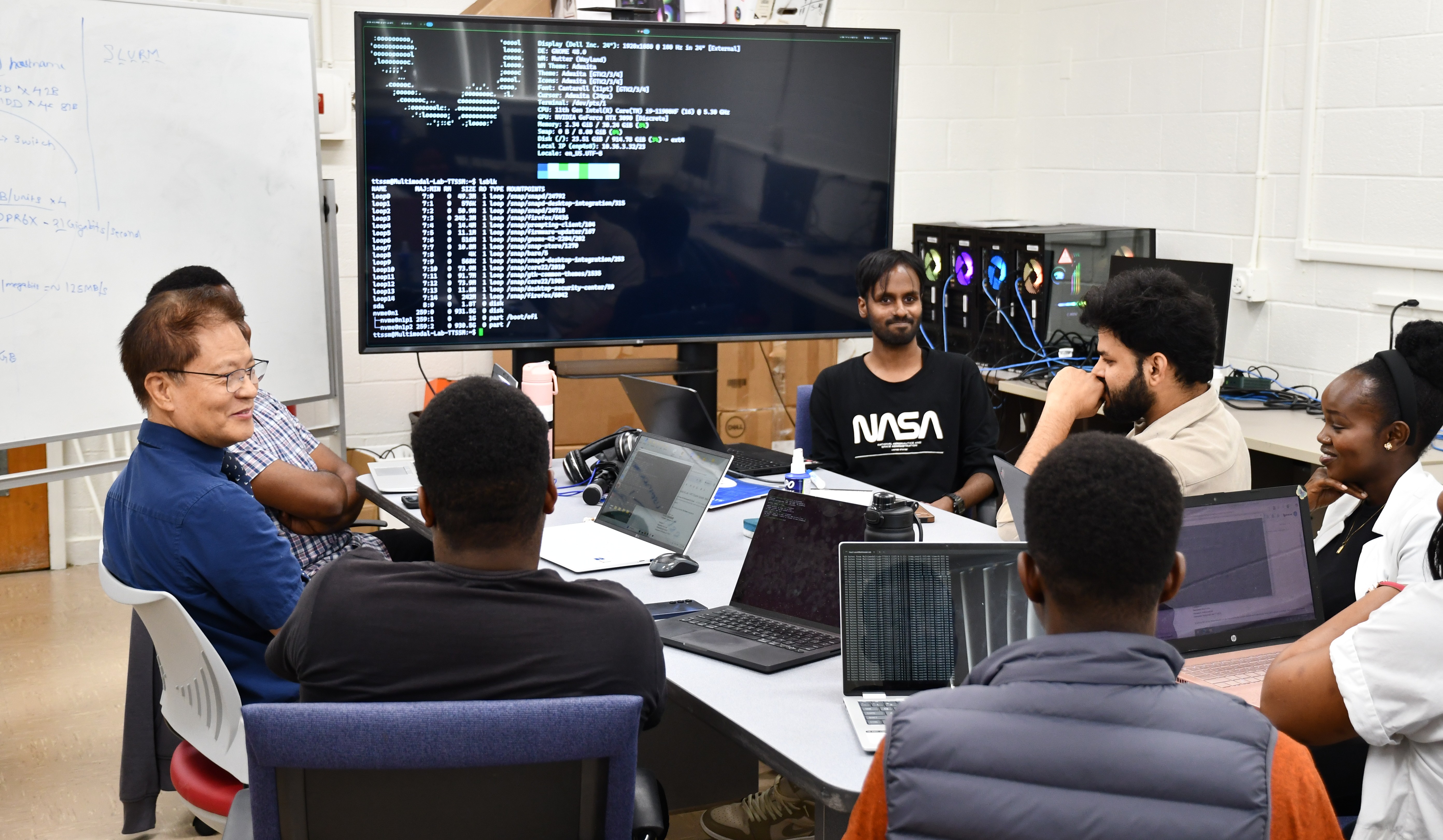
MAIL focuses on developing advanced artificial intelligence systems that can interpret complex data across images, text, video, and documents. The SAFE Challenge, held in conjunction with the IEEE Winter Conference on Applications of Computer Vision (WACV 2026), tests how well AI systems can identify and locate edits within images that may otherwise appear authentic. Unlike simpler tools that only determine whether an image is real or fake, this competition emphasizes precision—requiring systems to pinpoint exactly where changes have been made.
Against a competitive international field, the SIGN-MAIL system stood out for its ability to accurately detect even subtle manipulations. Its strong performance in the most challenging categories reflects the lab’s focus on building reliable, high-precision AI systems capable of addressing real-world problems.
Dr. Hanseok Ko, Professor, Newton-Bennett Endowed Chair of Engineering in the Department of Electrical and Computer Engineering, and Director of MAIL, noted that the achievement reflects the lab’s interdisciplinary approach and the significance of its research. He emphasized the importance of developing technologies that support trust and integrity in critical sectors such as healthcare, finance, and government.
In recognition of this accomplishment, Ali was invited to present the team’s work at a workshop held alongside WACV 2026, underscoring the significance of the research within the global AI community.
The technology behind SIGN-MAIL has broad potential applications wherever authenticity matters. It can help detect tampering in medical and financial records, verify official documents, support journalists in confirming sources, and assist institutions in identifying fraudulent credentials. As digital content becomes increasingly sophisticated, tools like these play an important role in maintaining trust and transparency across industries.
This achievement positions MAIL at the forefront of efforts to develop AI systems that not only understand complex data but also help ensure its reliability in an increasingly digital world.